8109 Fayetteville Road
(US HWY 401)
Suite 125
Raleigh, NC, 27603
- Call: 1-919-773-1043
Wild animals are an important part of life in North Carolina, and it’s not unusual to come across one that appears injured or alone. In many cases, what looks like an emergency is actually normal behavior.
The safest and most helpful approach is usually to give the animal space and seek guidance from trained professionals when needed.
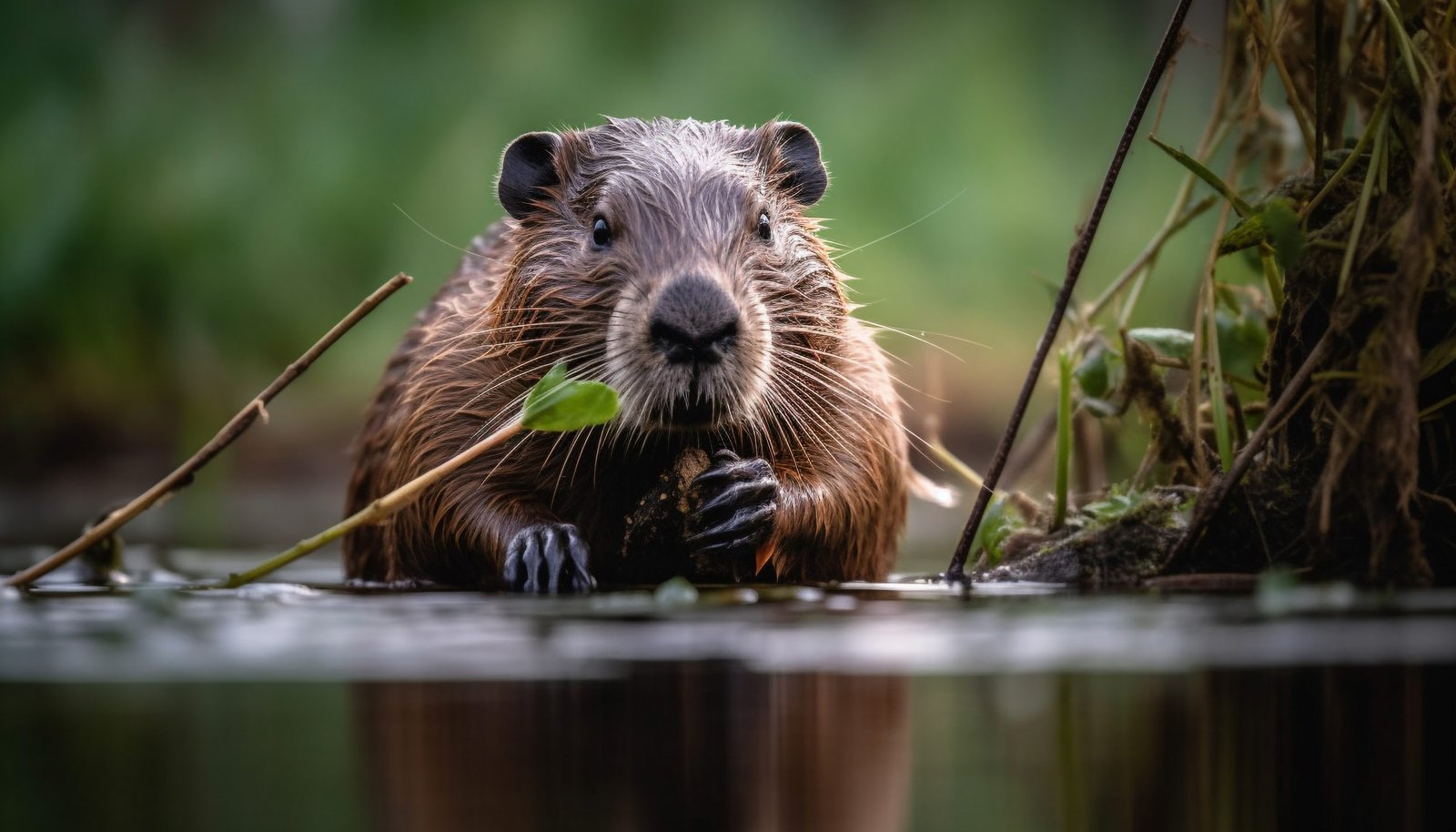
At Middle Creek Veterinary Hospital, we do not examine or treat wildlife in our clinic. Wild animals require specialized handling, facilities, and state licensing to ensure their safety and proper rehabilitation.
If you find an injured or orphaned wild animal, the appropriate next step is to contact a licensed wildlife rehabilitator, such as those listed below.
These professionals are trained to provide the care wildlife needs and to return them safely to their natural environment.
At Middle Creek Veterinary Hospital, we provide medical care for companion exotic pets, including birds, reptiles, and exotic mammals that are legally owned and maintained in a home setting. These animals are considered companion pets and are managed under a different medical and regulatory framework than native wildlife.
Native wildlife in North Carolina is protected by state regulations and generally cannot be kept as pets without appropriate permits through the North Carolina Wildlife Resources Commission. In addition, many native bird species are federally protected under the Migratory Bird Treaty Act, which restricts possession and care outside of licensed rehabilitation settings. Unlicensed wildlife is not considered a companion animal and requires specialized care focused on rehabilitation and release.
Because of this distinction, we do not accept wildlife found outdoors or provide rehabilitation services for injured wild animals. These cases are best managed by licensed wildlife rehabilitators who are trained and permitted to care for native species and prepare them for return to their natural environment. If you have found a wild animal in need of care, we recommend contacting a licensed wildlife rehabilitator for guidance.
We are, however, happy to work with permitted wildlife owners and can coordinate care within appropriate legal guidelines. If you have questions about whether your pet qualifies for care, please contact our team prior to scheduling.
Wild animals that are sick or injured are often frightened and may act defensively. Even small animals can bite or scratch, and some species can carry diseases that are transmissible to people and pets. For these reasons, it’s best not to handle wildlife.
In North Carolina, it is also illegal to keep most native wildlife without proper permits. Only individuals licensed through the North Carolina Wildlife Resources Commission are allowed to care for wild animals. These rehabilitators are trained to treat injuries, prevent dependence on humans, and safely return animals to their natural habitat.
If you encounter wildlife that concerns you, the most appropriate first step is to observe from a distance, keep pets and people away, and contact a licensed wildlife rehabilitator for guidance.
It’s natural to assume something is wrong if an animal isn’t moving or reacts differently than expected, but that isn’t always the case. Many wild animals rely on stillness as a survival strategy. Remaining motionless can help them avoid predators, even when a person is nearby.
If an animal is able to move normally, it is unlikely to be injured and should be left alone. If it remains still, it may simply be trying to stay hidden. In these situations, it’s best to give the animal time and space—often up to 24 hours—while observing from a safe distance.
Clear signs of injury, such as bleeding, an inability to stand, dragging limbs, or unresponsiveness, are different. In those cases, a licensed rehabilitator should be contacted as soon as possible. Avoid offering food or water, as this can unintentionally cause harm.
Seeing a young animal by itself can be concerning, but it does not necessarily mean it has been abandoned. Many species leave their young alone for extended periods while they search for food. This is a normal and important part of their development.
The best course of action is usually to leave the animal exactly where it is and monitor the situation from a distance for 24 to 48 hours. This allows time for the parent to return, which is often the best possible outcome.
If a parent is found deceased nearby, or if the young animal becomes weak, distressed, or does not improve over time, a licensed wildlife rehabilitator should be contacted for further instruction.
It is very common in North Carolina to encounter a White-tailed deer fawn resting alone. While this can be alarming, it is almost always normal.
Mother deer intentionally leave their fawns hidden while they forage. During the first few weeks of life, fawns rely on stillness and camouflage for protection and may not move at all, even when approached.
If you find a fawn, the best thing you can do is leave it where it is and minimize any disturbance. Keep pets away and observe from a distance. In most cases, the mother will return when the area is quiet.
Intervention is only necessary if the fawn is clearly injured, unable to stand, persistently crying for an extended period, or if a deceased mother is found nearby. In those situations, a wildlife rehabilitator should be contacted.
Certain wildlife species in North Carolina—including raccoons, bats, foxes, and skunks—are considered higher risk for rabies transmission. If you encounter any of these animals, especially if they appear sick or unusually tame, do not approach or attempt to contain them. Contact animal control or a licensed rehabilitator for assistance.
If you need help, licensed wildlife rehabilitators are your best resource. You can find assistance through the following organizations.
Additional guidance and regulatory information is available through the North Carolina Wildlife Resources Commission.
You can also reach the Wildlife Permits and License Office at (919) 707-0060 or Wildlife Enforcement Communications at (919) 707-0040.
8109 Fayetteville Road
(US HWY 401)
Suite 125
Raleigh, NC, 27603
Mon-Fri: 8:30 AM – 5:30 PM
Sat-Sun: Closed